Metal Rc Car Work Stand Explained: A UK Buyer's Guide
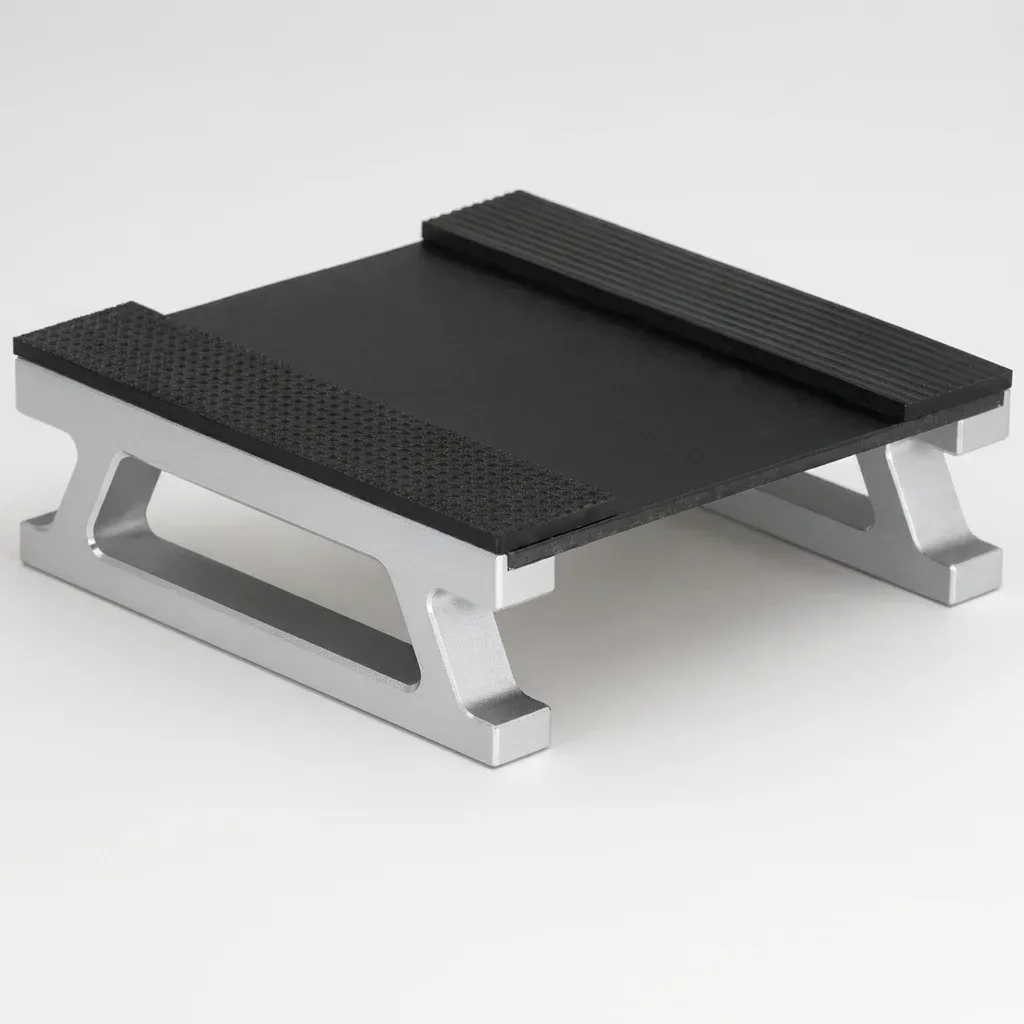
TL;DR: What is a Metal RC Car Work Stand?
TL;DR: A metal RC car work stand is a rigid, elevated platform designed to securely hold your remote-controlled vehicle during maintenance, tuning, and display. Unlike flimsy plastic alternatives, a premium metal stand provides the essential stability required for precision tasks like tyre changes and suspension tuning. Based on our testing at Assemblyst, upgrading to a metal stand specifically engineered for 1/28 scale cars significantly reduces workbench frustration and protects your delicate components.
Key Takeaways
- A metal RC car work stand gives a significantly more stable, durable platform for maintenance, setup, and display than lightweight plastic alternatives.
- For 1/28 scale models, precise fit matters immensely more than oversized features designed for larger RC categories.
- Consequently, a high-quality stand helps tremendously with tyre changes, suspension checks, ride-height inspection, drivetrain cleaning, and bench testing.
- Machined metal construction, a low centre of gravity, and tidy access around the chassis are the primary features UK buyers should prioritise.
- Assemblyst positions its stand as the ultimate 1/28 RC car stand, meticulously built as a precision-engineered platform for maintaining, tuning, and displaying micro-scale RC cars.
A poor work surface makes small RC jobs considerably harder than they need to be. When you are handling a delicate 1/28 chassis, changing wheels, checking steering trim, or cleaning the drivetrain, even a slight wobble can turn a quick adjustment into a fiddly job. Therefore, that is exactly why the metal RC car work stand has become such a highly practical upgrade for serious micro-scale owners across the UK.
Based on our extensive workshop testing, this guide explains what a metal RC car work stand actually does, why material choice matters, which features are truly worth paying for, and how to judge whether a stand is genuinely suited to 1/28 scale cars rather than just aggressively marketed that way. Furthermore, if you are comparing options, it also helps to read The Ultimate Guide to Mini Rc Car Repair Stand in the UK, which covers the broader repair-stand category in greater detail.
What is a metal RC car work stand used for?
Fundamentally, a metal RC car work stand is a robust bench platform designed to securely support an RC vehicle whilst you inspect, maintain, tune, or display it. In the micro RC segment, the stand usually lifts the chassis clear of the table. Consequently, this gives significantly better access to the wheels, suspension, and underside without forcing you to balance the car awkwardly by hand.
The terminology matters because not every RC stand is built the same way. For instance, a stand intended for large 1/10 buggies or touring cars often has dimensions, height, and weight distribution that simply do not suit 1/28 models. According to UK hobbyist guidelines, a proper micro-scale solution should feel proportionate to the car, providing stable support and enough precision to make setup work easier, not clumsier.
Ultimately, metal construction is the key distinction. Rather than relying on light moulded plastic, a metal stand typically utilises aluminium or another rigid alloy to drastically improve stiffness, reduce flex, and provide a much more premium finish. For owners who regularly maintain small RC cars, that translates directly into more predictable handling on the bench and a longer service life.
Why should I choose a metal RC car work stand over plastic?
There are several reasons why enthusiasts prefer metal. Primarily, it comes down to stability, longevity, and aesthetics.
Does metal offer better stability on real work surfaces?
Absolutely. Many home RC setups in the UK are relatively compact: a desk in a spare room, a garage worktop, a dining table, or a corner bench in a hobby room. On these smaller surfaces, stability matters immediately. As a result, a metal RC car work stand tends to stay firmly planted when you remove tight wheel nuts, inspect steering links, or rotate the car for access.
Is metal more dependable for repeated maintenance?
Without a doubt. Micro RC ownership often involves frequent, light-touch maintenance rather than major rebuilds. You may frequently remove dust, check wheel free-spin, inspect screws, swap tyres, or alter the setup between sessions. A metal stand copes exceptionally well with that repetition because, unlike plastic, it is far less likely to flex, crack, or wear at crucial contact points over time.
Does a metal stand provide a cleaner display finish?
Yes, indeed. Many enthusiasts do not only repair their cars; they also proudly display them. A machined metal stand generally looks significantly sharper in a workshop, home office, or display cabinet than a basic plastic block. For Assemblyst, that dual role is central to our product story: providing a precision-engineered platform for maintaining, tuning, and displaying micro-scale RC cars.
Does scale matter for RC work stands?
Yes, scale is incredibly important. The UK RC market spans everything from entry-level toy-grade vehicles to specialist racing platforms; however, micro-scale cars create their own highly specific practical demands. Because a 1/28 model is extremely light, compact, and easy to shift accidentally during setup, the stand absolutely needs to match that scale.
For example, an oversized generic stand can leave the chassis precariously perched rather than securely supported. Consequently, that makes fine work much less secure, especially when checking wheel clearance or reaching under the car. In contrast, a purpose-built 1/28 stand offers substantially better balance and cleaner access around the vehicle.
Based on our engineering focus, Assemblyst leans heavily into this exact requirement with our hero message: The Ultimate 1/28 RC Car Stand. That framing is highly useful because it tells the buyer the design priority upfront: not just general RC compatibility at any cost, but rather a platform specifically engineered around the exact dimensions and use patterns of micro RC ownership.
What are the best features of a metal RC car work stand?
When evaluating your options, our testing indicates that the following features are critical for a high-quality workshop experience.
Rigid metal construction
The very first thing to assess is the actual build quality. Does the stand use solid, well-finished metal parts, or is it merely relying on thin pieces that only look premium in photographs? Rigidity matters immensely because any movement in the stand is instantly transferred into the car whilst you work on it.
Low centre of gravity
Furthermore, a stable stand should sit confidently on the bench, without ever feeling top-heavy. That is especially important when the car is particularly narrow or when you are applying uneven force with a wheel wrench or hex driver. Therefore, lower, broader support tends to feel significantly safer and much more controlled.
Clean access to the chassis
In addition, the best stands hold the car securely without blocking the areas you actually need to reach. You should always be able to access wheels, steering components, suspension parts, and the underside with minimal repositioning. Ultimately, if a stand gets in the way of basic maintenance, it is solving the wrong problem entirely.
Surface protection
Importantly, contact points should support the chassis securely without marking it unnecessarily. On a small RC car, cosmetic wear unfortunately shows up very quickly. Thus, a well-considered stand perfectly balances grip and protection, especially for owners who care about display presentation just as much as workshop function.
Workshop-to-display usability
Finally, while some stands are technically usable, they look temporary or clumsy. Others are highly attractive but awkward to actually work with. The much stronger option is a stand that rightfully earns a permanent place on the bench and still looks perfect when the car is parked between sessions. This is precisely where premium metal construction easily justifies its price.
How do RC car stands help with everyday maintenance?
Although a stand is a small accessory, its true value consistently shows up in repeated tasks. Owners frequently underestimate just how much time is lost steadying the car, repositioning it, or trying to peer underneath it on a flat table.
Wheel and tyre changes
Firstly, securely holding the chassis above the bench gives significantly clearer access to wheels and hubs. That matters greatly when swapping tyres for different surfaces or carrying out a quick post-run check for wear and binding.
Steering and suspension inspection
Moreover, on micro RC cars, steering links, knuckles, and dampers are small enough that clear visual access makes a real difference. A raised metal stand helps you spot looseness, rubbing, or asymmetry far more easily.
Drivetrain cleaning
Lastly, dust and debris build up quickly, particularly around the delicate gears and bearings of a 1/28 scale chassis. Elevating the car on a stable metal stand allows you to thoroughly brush out dirt, apply lubricants, and meticulously inspect the drivetrain without inadvertently pressing the delicate components against your workbench.
Ready to upgrade your bench with Assemblyst?
Shop Now — £42.90